Archives
- 2026-11
- 2026-10
- 2026-09
- 2026-08
- 2026-07
- 2026-06
- 2026-05
- 2026-04
- 2026-03
- 2026-02
- 2026-01
- 2025-12
- 2025-11
- 2025-10
- 2025-09
- 2025-04
- 2025-03
- 2025-02
- 2025-01
- 2024-12
- 2024-11
- 2024-10
- 2024-09
- 2024-08
- 2024-07
- 2024-06
- 2024-05
- 2024-04
- 2024-03
- 2024-02
- 2024-01
- 2023-12
- 2023-11
- 2023-10
- 2023-09
- 2023-08
- 2023-07
- 2023-06
- 2023-05
- 2023-04
- 2023-03
- 2023-02
- 2023-01
- 2022-12
- 2022-11
- 2022-10
- 2022-09
- 2022-08
- 2022-07
- 2022-06
- 2022-05
- 2022-04
- 2022-03
- 2022-02
- 2022-01
Acetylcholinesterase AChE activity and expression
2024-10-08
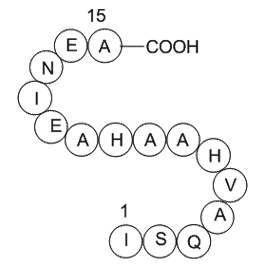
Acetylcholinesterase (AChE) activity and expression level can be down regulated by TCDD in neuronal cells [3], [6]. Thus AChE could be considered as a target of the neuronal toxicity of dioxin. AChE has several types of transcripts by alternative splicing in the 3′ region of primary transcripts [7],
Demonstration of in vivo efficacy of
2024-10-08
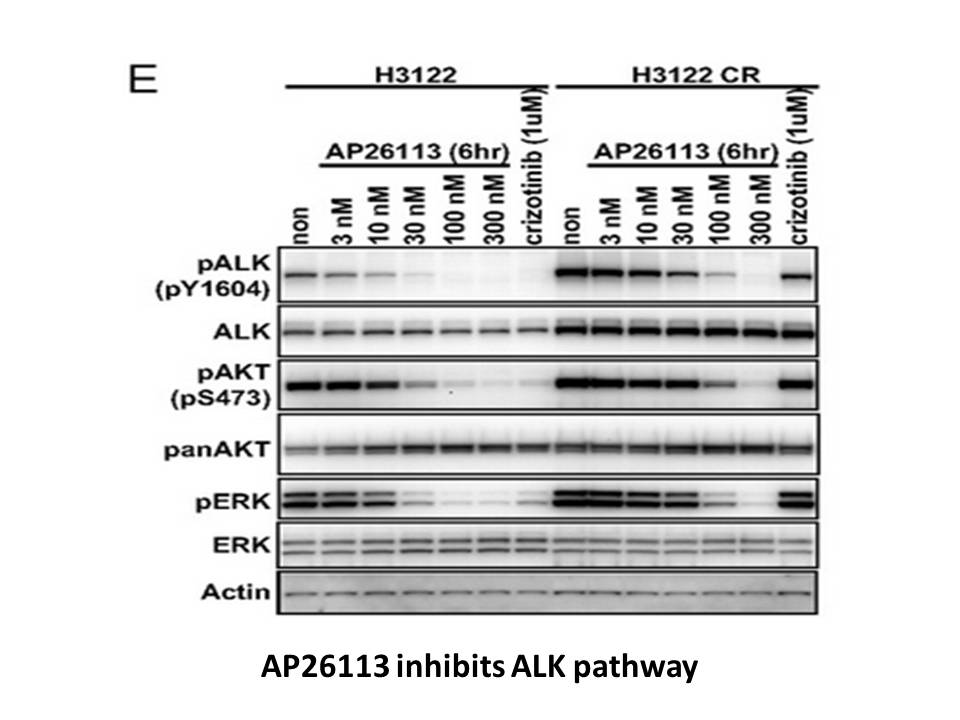
Demonstration of in vivo efficacy of potential chemopreventive agents in animal models is necessary for their clinical development. Our present study provides experimental evidence that CuB 0.1μmol by oral administration (for 2weeks before the cancer cell injection, 5days per week) significantly inh
br Secreted enzymes Only two secreted S aureus
2024-10-08
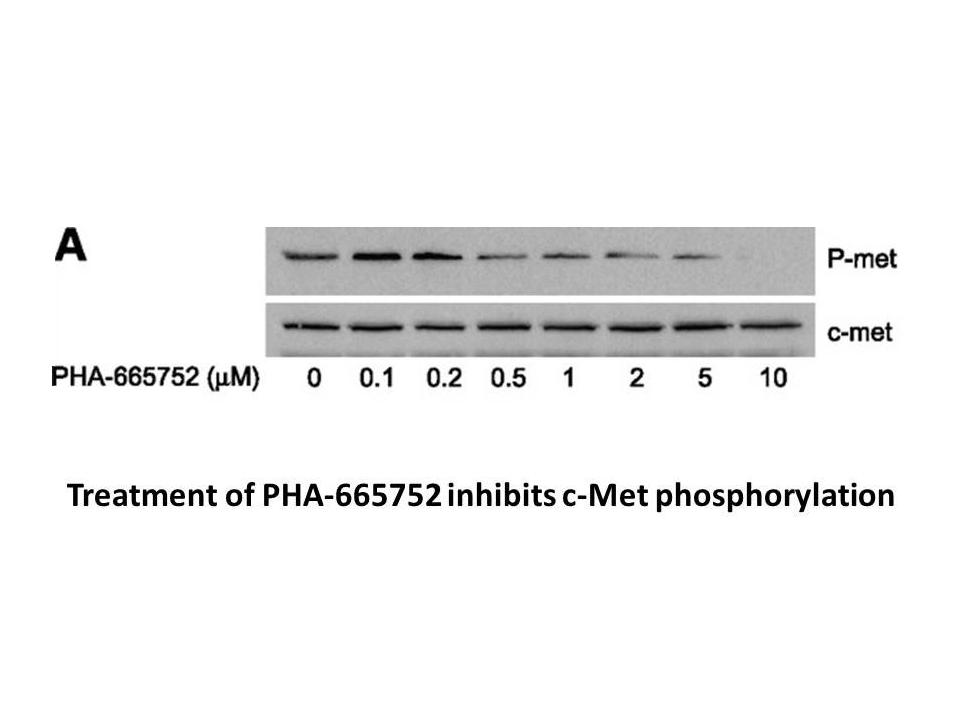
Secreted enzymes Only two secreted S. aureus enzymes reportedly induce apoptosis, namely, staphylococcal staphopain B (SspB) and coagulase. SspB selectively cleaved CD11b/CD18 integrin and induced an apoptosis-like cell death in neutrophils and monocytes (Smagur et al., 2009). Neutrophils or mon
Numerous investigators have shown that RACK has
2024-10-08
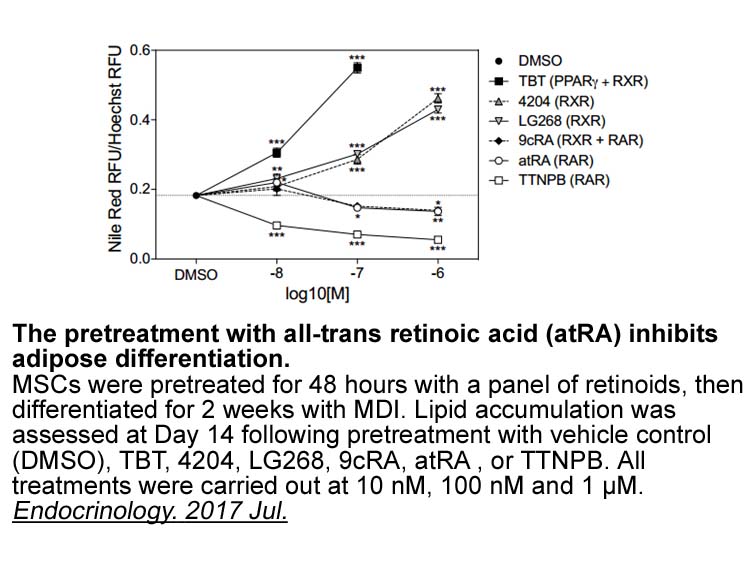
Numerous investigators have shown that RACK1 has several important, possibly related, roles in mRNA splicing and in translation. RACK1 interacts directly with specific components of the 40S ribosomal subunit (specifically, the 18S rRNA and ribosomal proteins rpS16e, rpS17e, and rpS3e [new names: uS9
Z-YVAD-FMK synthesis Changes in actin microfilaments are
2024-10-03
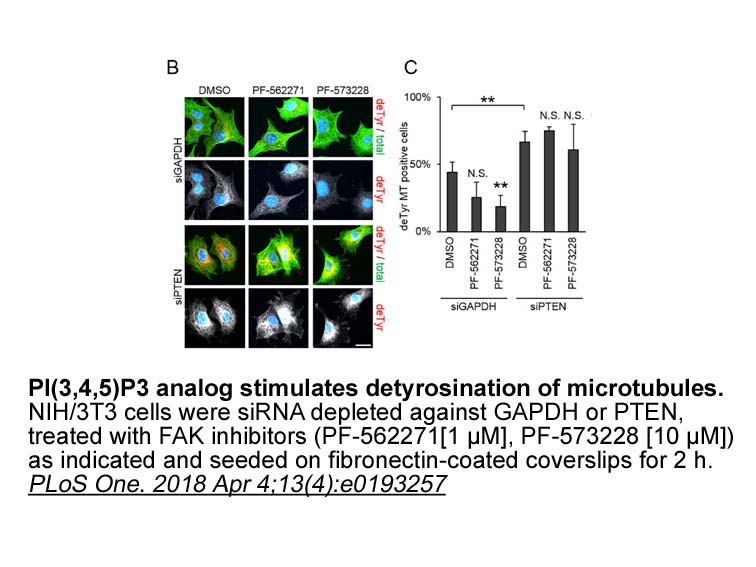
Changes in Z-YVAD-FMK synthesis microfilaments are mediated by changes in extracellular matrix, mechanical stimulation or growth factors intracellular signaling. We observed significant changes in a number of intracellular signaling pathways associated with changes in actin dynamics during hMSCs di
Previously we described that cadmium induces a more
2024-10-03
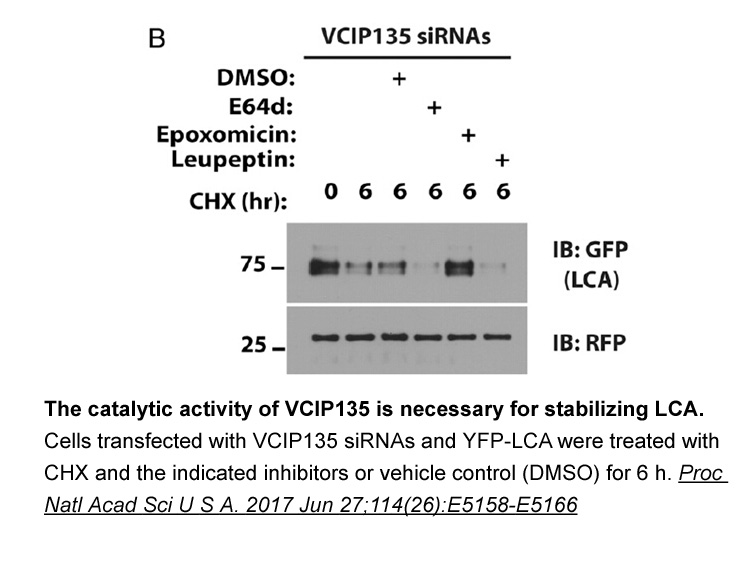
Previously, we described that cadmium induces a more pronounced, but not selective, cell death on primary cholinergic neurons from basal forebrain (Del Pino et al., 2014). Degeneration of septal cholinergic neurons from basal forebrain, as happens in AD, results in memory deficits (Scheiderer et al.
The ATX LPA signaling axis has been implicated in
2024-10-01
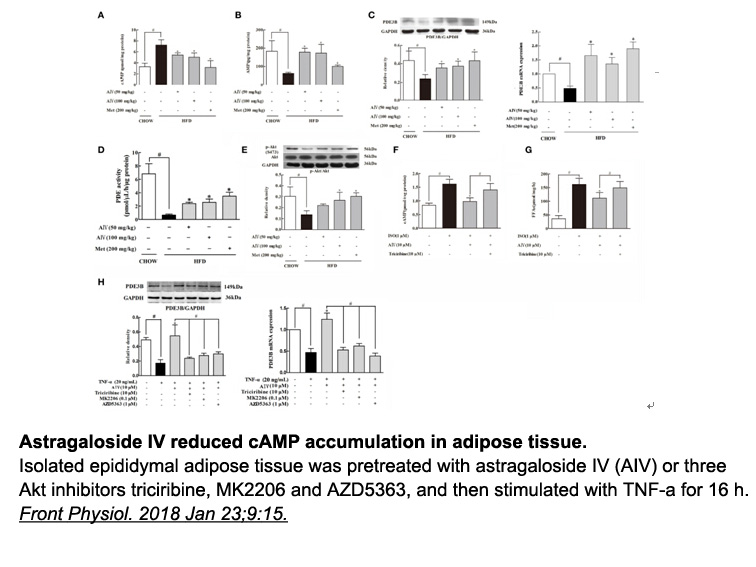
The ATX–LPA signaling “axis” [5] has been implicated in a perplexing variety of physiological and pathophysiological processes, including vascular and neural development [5], [26], [27], [28], [29], tumor progression and metastasis [30], [31], lymphocyte trafficking [22], bone development [32], neur
Antioxidative enzymes such as SOD and CAT play
2024-10-01
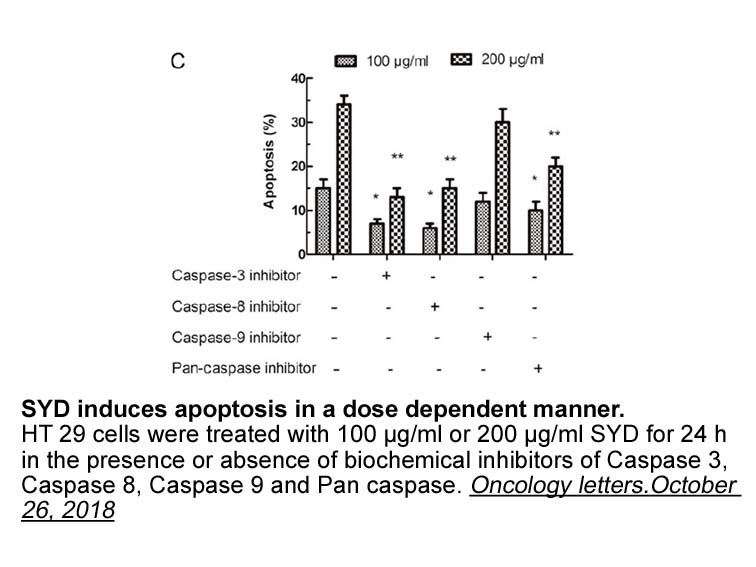
Antioxidative enzymes such as SOD and CAT play prominent roles in protecting against oxidative stress and extending food freshness due to their ability in scavenging active oxygen species for maintaining cell membrane integrity. Evidence shows that activities of SOD and CAT are positively affected b
Despite their different effects on cell survival the functio
2024-10-01
Despite their different effects on cell survival, the functions of autophagy and apoptosis are not completely independent. Additionally, Cho et al. (2009) suggested that the mediation of caspase-3 links the apoptotic and autophagic signaling pathways. Consequently, to illuminate the correlation, exc
Another interesting aspect of neutralizing AP is the
2024-10-01
Another interesting aspect of neutralizing AP-1 is the inhibition of interactions between AP-1 and Smad proteins, which synergize to activate the TGF-β1-responsive genes involved in hypertrophic growth of the heart muscle and in the development of cardiac fibrosis. Through preventing AP-1 activation
These mutations induce the gene auto activation in
2024-10-01
These mutations induce the gene auto-activation in 10–40% of adenocarcinomas, triggering the EGFR-signaling pathway in the absence of ligand. That leads to an uncontrolled acceleration of cell proliferation, survival and anti-apoptotic signals (Couraud et al., 2012). The frequency of these mutations
br Conflict of interest statement br Acknowledgements We
2024-09-30
Conflict of interest statement Acknowledgements We are very grateful to Maura Agate for her excellent editorial assistance. The work reported in this article was supported largely by the Italian MIUR. Introduction Atenolol is a selective β1-adrenergic receptor blocker that is orally effect
br There are three types of HT receptors
2024-09-30
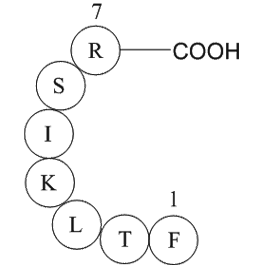
There are three types of 5-HT2 receptors. 5-HT2A, 5-HT2B and 5-HT2C receptors Exhibit 46–50% overall sequence identity and couple preferentially to Gq/11 to increase inositol phosphates and cytosolic [Ca2+] and in agreement with their long known role in muscle contraction and stimulation in the br
Adenosine is a ubiquitous homeostatic substance released
2024-09-30
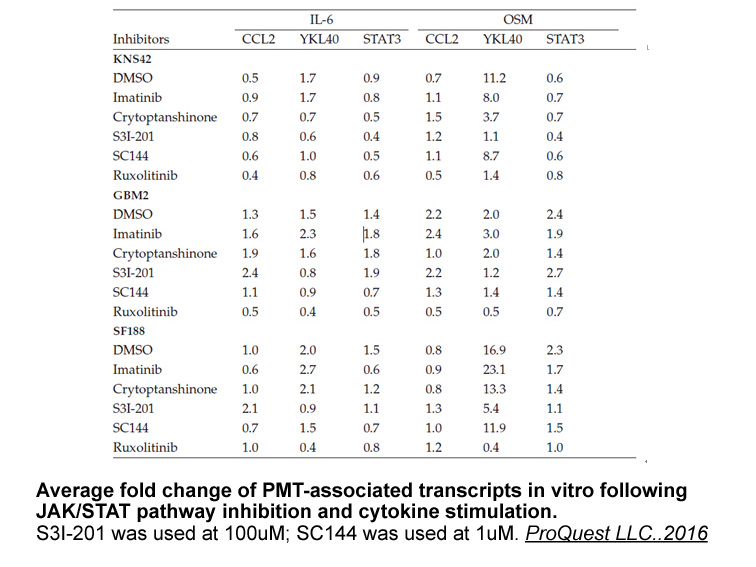
Adenosine is a ubiquitous homeostatic substance released from most cells, including neurons and glias. Endogenous adenosine acts at four principal G-protein-associated receptor subtypes: A1, A2a, A2b and A3 (Ralevic and Burnstock, 1998). The stimulation of adenosine receptors by extracellular adenos
It is well accepted that PKA is a key
2024-09-30
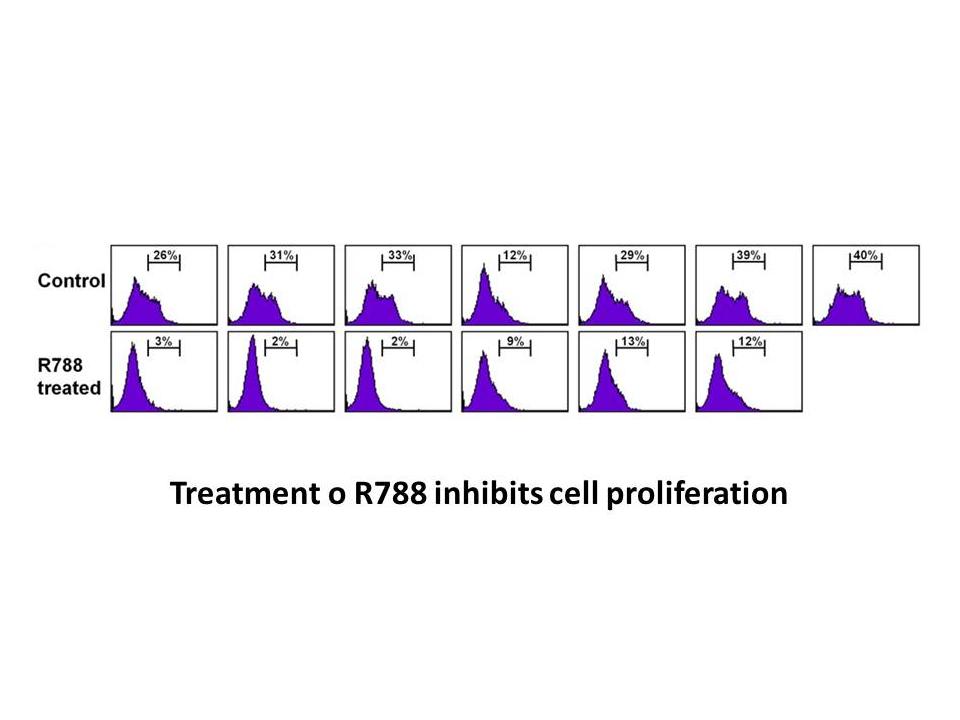
It is well accepted that PKA is a key enzyme activated at the beginning of the capacitation process [69]. As mentioned above phosphorylation/inactivation of cofilin in sperm is a PKA dependent process [58]. We could not see any change in cofilin phosphorylation level by adding the PKA activator 8Br-
8522 records 113/569 page Previous Next First page 上5页 111112113114115 下5页 Last page