Archives
- 2026-03
- 2026-02
- 2026-01
- 2025-12
- 2025-11
- 2025-10
- 2025-09
- 2025-04
- 2025-03
- 2025-02
- 2025-01
- 2024-12
- 2024-11
- 2024-10
- 2024-09
- 2024-08
- 2024-07
- 2024-06
- 2024-05
- 2024-04
- 2024-03
- 2024-02
- 2024-01
- 2023-12
- 2023-11
- 2023-10
- 2023-09
- 2023-08
- 2023-07
- 2023-06
- 2023-05
- 2023-04
- 2023-03
- 2023-02
- 2023-01
- 2022-12
- 2022-11
- 2022-10
- 2022-09
- 2022-08
- 2022-07
- 2022-06
- 2022-05
- 2022-04
- 2022-03
- 2022-02
- 2022-01
- 2021-12
- 2021-11
- 2021-10
- 2021-09
- 2021-08
- 2021-07
- 2021-06
- 2021-05
- 2021-04
- 2021-03
- 2021-02
- 2021-01
- 2020-12
- 2020-11
- 2020-10
- 2020-09
- 2020-08
- 2020-07
- 2020-06
- 2020-05
- 2020-04
- 2020-03
- 2020-02
- 2020-01
- 2019-12
- 2019-11
- 2019-10
- 2019-09
- 2019-08
- 2019-07
- 2019-06
- 2019-05
- 2019-04
- 2018-07
-
Histone demethylases are involved in the
2022-03-10
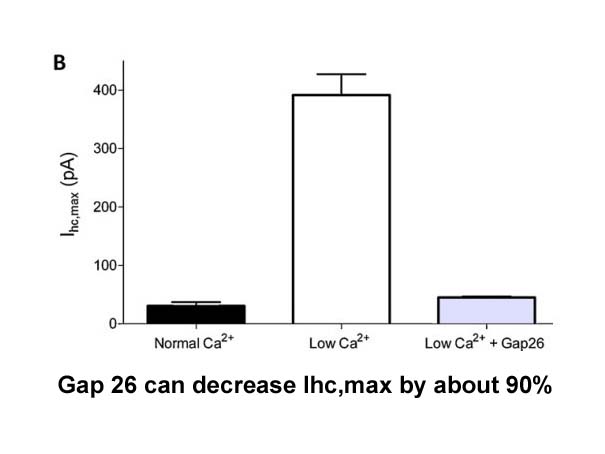
Histone demethylases are involved in the transcriptional output of the AR and hypoxia signaling pathways, and thus contribute to prostate cancer development [12]. For example, the histone demethylase KDM3A serves as a transcriptional coactivator of HIF1α and AR in regulation of their target genes [1
-
The HIF complex was initially identified as an important
2022-03-10
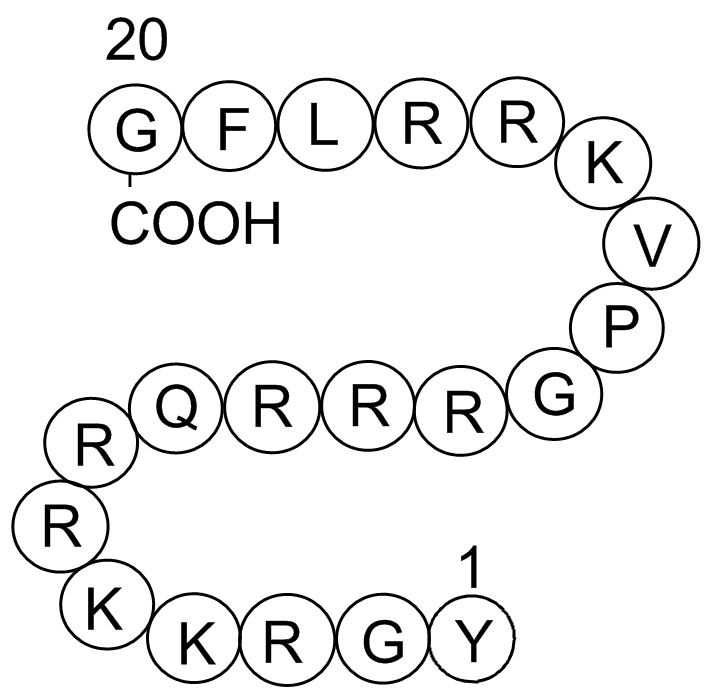
The HIF complex was initially identified as an important component of the cell machinery involved in the response and Aripiprazole to hypoxia (Semenza, 2001). Further studies have shown that HIF can also modulate whole-body energy homeostasis by controlling hypothalamic neurons (Varela et al., 2017
-
br Introduction Chronic hepatitis C CHC caused by
2022-03-10
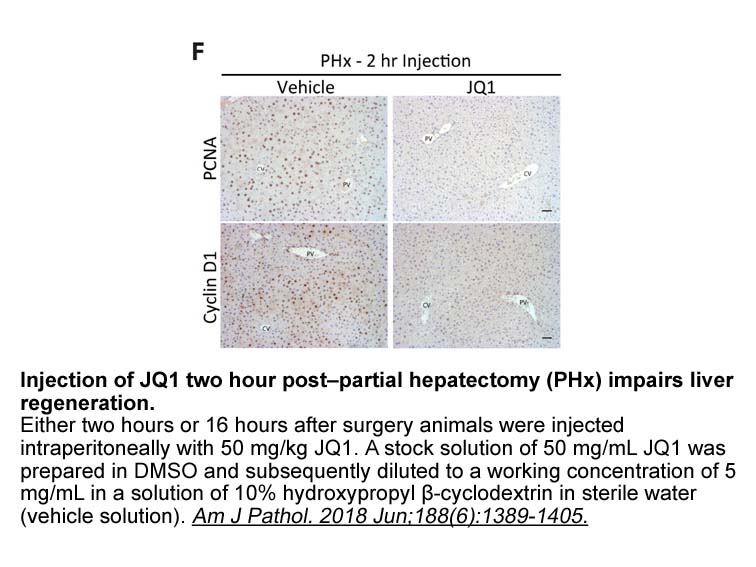
Introduction Chronic hepatitis C (CHC) caused by hepatitis C virus (HCV) infection affects approximately 170 million individuals worldwide [1]. HCV and human immunodeficiency virus (HIV) have similar routes of transmission, including blood-to-blood contact, sharing of injection equipment, and sex
-
The vessel wall protein collagen which becomes exposed to ci
2022-03-10
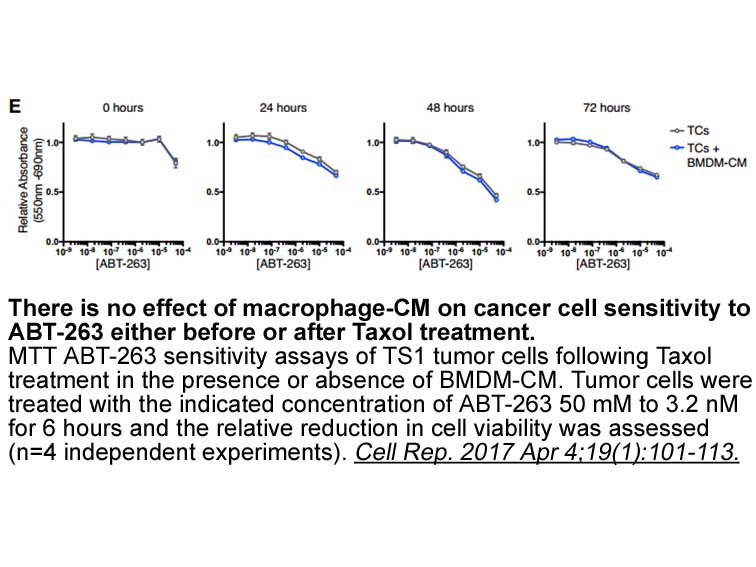
The vessel wall protein collagen, which becomes exposed to circulating platelets after vascular injuries, is a very strong platelet agonist. It stimulates all relevant platelet activation steps predominantly via the GPVI/FcRγ-chain receptor complex through an immunoreceptor tyrosine-based activation
-
Caffeine decreased EAAT and EAAT
2022-03-09
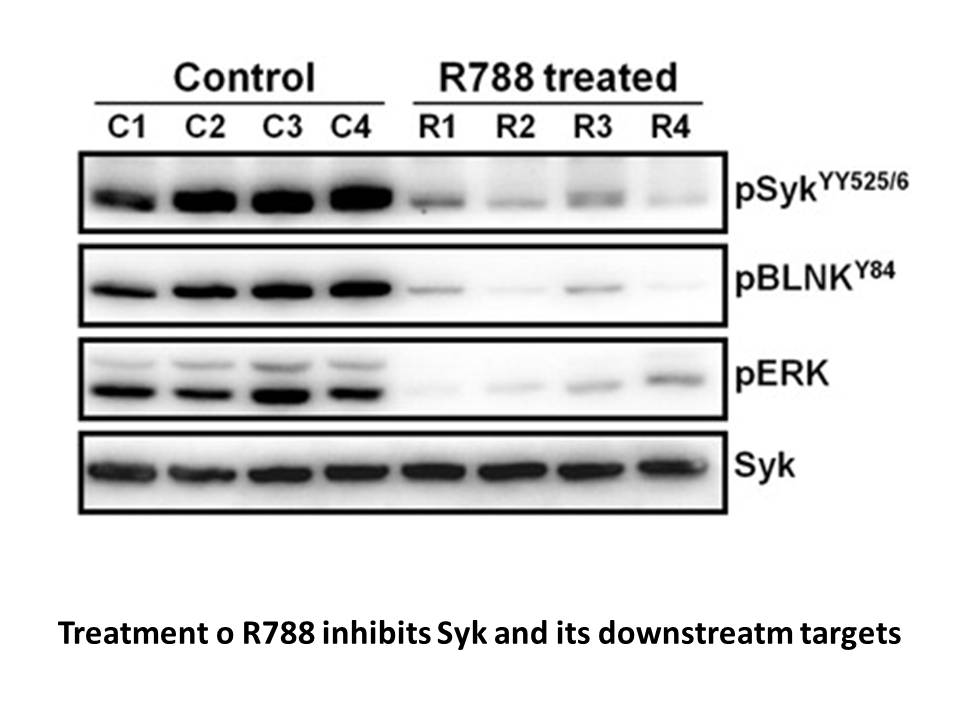
Caffeine decreased EAAT1 and EAAT2 CPI-203 sale levels in P2 fraction, as well as [3H]d-aspartate uptake; however, as soon as caffeine is removed from incubation, [3H]-d-Aspartate uptake is recovered to control levels, eliminating the possibility of caffeine as a cell death inducer. In resume, our
-
br Methods br Results br Discussion Previous work by the
2022-03-09
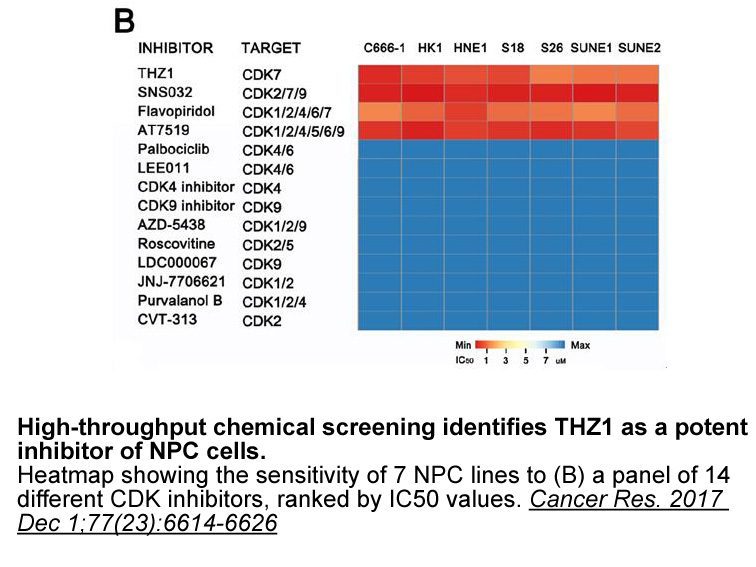
Methods Results Discussion Previous work by the Hirano group investigated the effect of GIP in murine atherosclerotic models and found infusion of GIP (1–42) by osmotic mini-pumps to decrease lesion size after 4 weeks in non-diabetic as well as in diabetic ApoE−/− mice [8], [9]. Mechanistic
-
The absence of differences between GalR knockout and wild ty
2022-03-09
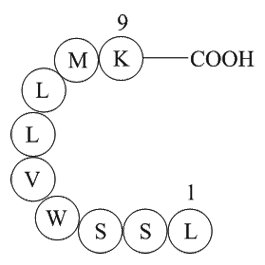
The absence of differences between GalR1 knockout and wild type mice in kainic acid-induced seizures suggests that GalR1 do not interfere with the seizure-inducing action of kainic acid. Postsynaptic kainate receptors are excitatory ionotropic glutamate receptors and their activation leads to seizur
-
Galactosidase Gal EC is an enzyme exoglycosidase and the
2022-03-09
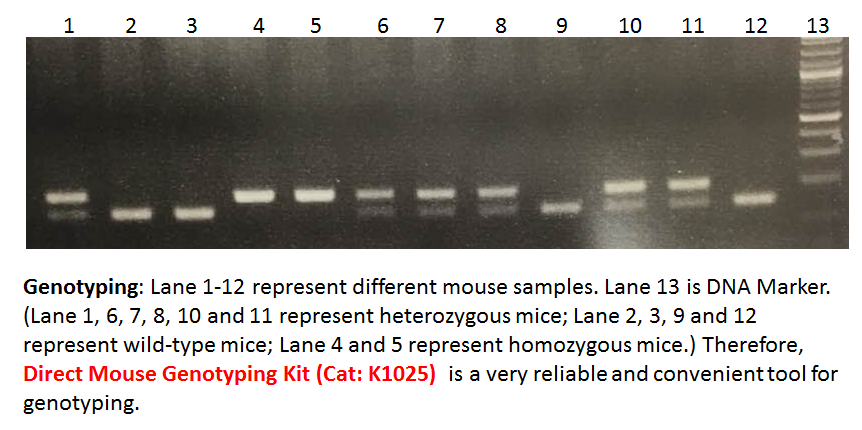
α-Galactosidase (α-Gal, EC 3.2.1.22) is an enzyme exoglycosidase, and the main role of this enzyme is the enzymolysis of α-galactoside. After this hydrolysis, galactosylation of cyclodextrins by the α-galactosidase occurs, thus forming α-galactosyl-cyclodextrin. This branched CD is easy to dissolve
-
Receptor tyrosine kinases RTKs consist of subfamilies in hum
2022-03-09
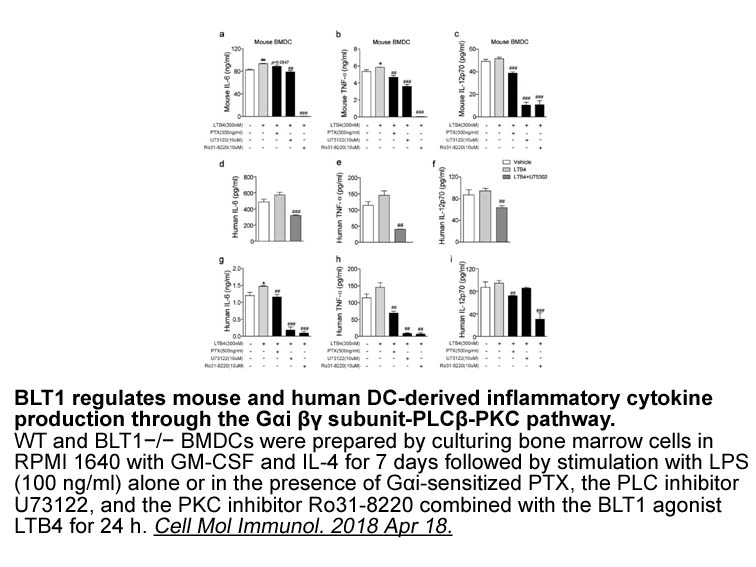
Receptor tyrosine kinases (RTKs) consist of 20 subfamilies in humans, all of which share a common structure consisting of extracellular ligand-binding region, a single-pass transmembrane domain and an intracellular tyrosine kinase domain [2]. Binding of a growth factor to the ligand-binding domain r
-
The canonical tumor suppressor p has also been
2022-03-09
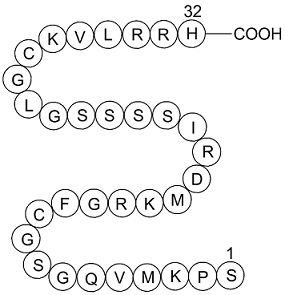
The canonical tumor suppressor p53 has also been implicated as a transcriptional mediator of ferroptotic death (Jiang et al., 2015, Tarangelo et al., 2018, Wang et al., 2016, Xie et al., 2017). Specifically, p53 negatively regulates transcription of SLC7A11, the cystine-glutamate antiporter (Xc-) (J
-
br Conclusions According to our results we may suggest
2022-03-09

Conclusions According to our results we may suggest that FAS c.-671AG Nitazoxanide receptor or G allele and FASLG gene c.-844T allele were not to be a risk factor, whereas FASLG gene c.-844TC genotype may be protective in the studied Turkish population. Because of the limited sample size in this
-
The first wave of cells infiltrating heart
2022-03-08
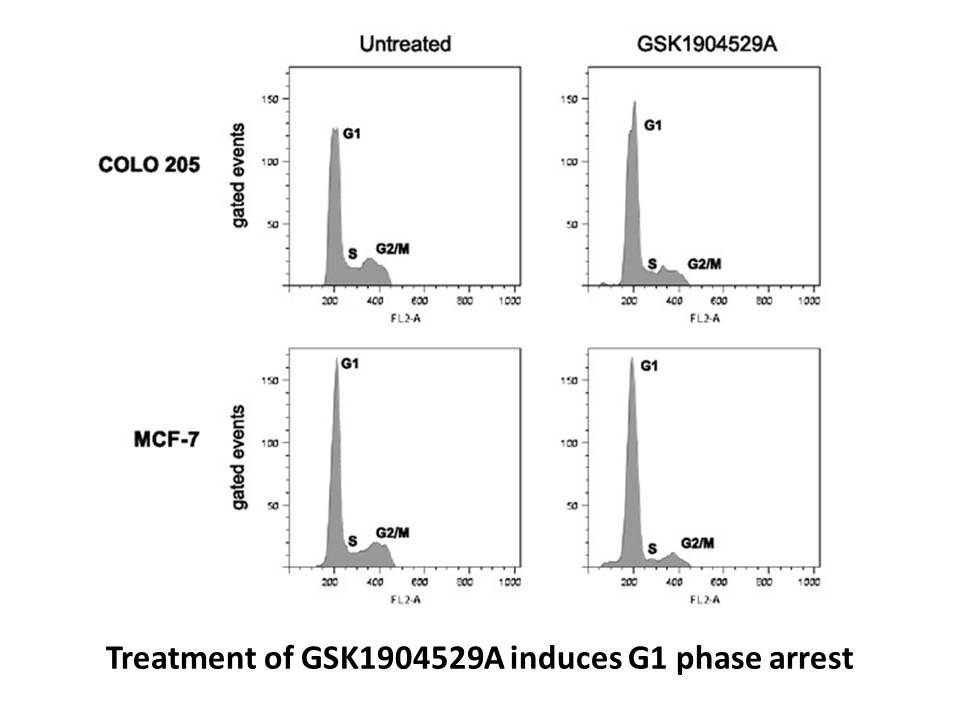
The first wave of Cyanidin Chloride sale infiltrating heart shortly after MI is composed mainly of neutrophils, with the highest number on the first day after ischemic episode [101]. These cells are recruited via C-X-C motif chemokine ligand-2 (CXCL-2)- and CXCL-5-mediated chemotaxis. Both chemokin
-
The following are the supplementary data related to this art
2022-03-08
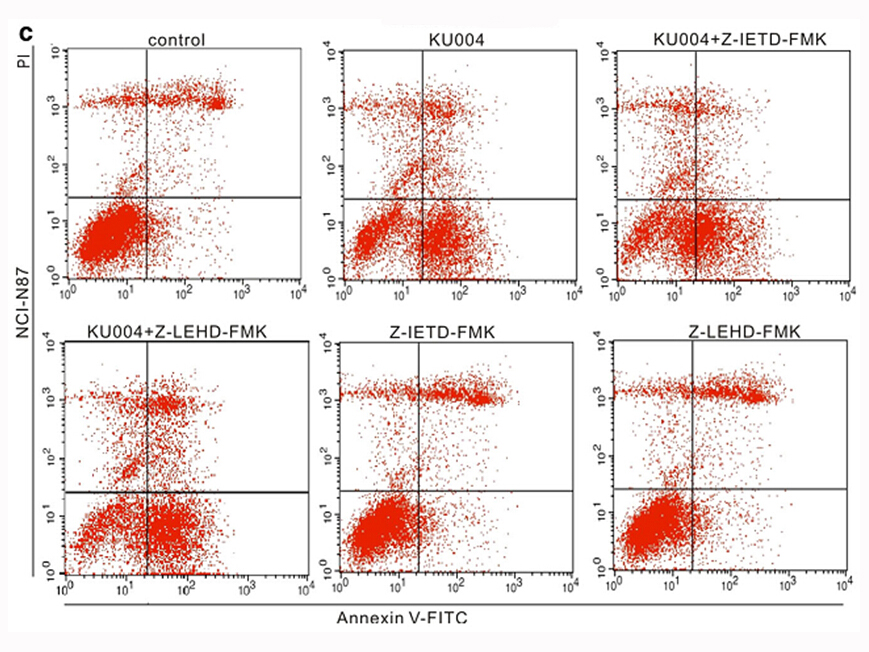
The following are the supplementary data related to this article. Introduction Target therapies have achieved significant gains in the fight against cancer, however, they are still a long way from providing generally curative treatments for the majority of cancers. Targeted agents can be used wi
-
Similarly towards the acylsulfamoyl benzoxaboroles the
2022-03-08
Similarly, towards the 5-acylsulfamoyl benzoxaboroles, the boronate intermediate was prepared according to , while the boronate , an intermediate towards 4-acylsulfamoyl benzoxaboroles, was prepared according to . The sulfonamides and used in the synthesis were made from the starting sulfonyl chl
-
br Introduction Hepatitis B virus
2022-03-08

Introduction Hepatitis B virus (HBV) infects about 2 billion people worldwide and is a leading cause of liver disease including liver fibrosis, cirrhosis and hepatocellular carcinoma (Trepo et al., 2014). Most current HBV therapies are based on nucleos(t)ide analogs and pegylated interferon alpha
16049 records 502/1070 page Previous Next First page 上5页 501502503504505 下5页 Last page