Archives
- 2026-05
- 2026-04
- 2026-03
- 2026-02
- 2026-01
- 2025-12
- 2025-11
- 2025-10
- 2025-09
- 2025-04
- 2025-03
- 2025-02
- 2025-01
- 2024-12
- 2024-11
- 2024-10
- 2024-09
- 2024-08
- 2024-07
- 2024-06
- 2024-05
- 2024-04
- 2024-03
- 2024-02
- 2024-01
- 2023-12
- 2023-11
- 2023-10
- 2023-09
- 2023-08
- 2023-07
- 2023-06
- 2023-05
- 2023-04
- 2023-03
- 2023-02
- 2023-01
- 2022-12
- 2022-11
- 2022-10
- 2022-09
- 2022-08
- 2022-07
- 2022-06
- 2022-05
- 2022-04
- 2022-03
- 2022-02
- 2022-01
- 2021-12
- 2021-11
- 2021-10
- 2021-09
- 2021-08
- 2021-07
- 2021-06
- 2021-05
- 2021-04
- 2021-03
- 2021-02
- 2021-01
- 2020-12
- 2020-11
- 2020-10
- 2020-09
- 2020-08
- 2020-07
- 2020-06
- 2020-05
- 2020-04
- 2020-03
- 2020-02
- 2020-01
- 2019-12
- 2019-11
- 2019-10
- 2019-09
- 2019-08
- 2019-07
- 2019-06
- 2019-05
- 2019-04
- 2018-07
-
The possibility that a carboxyl
2020-05-12
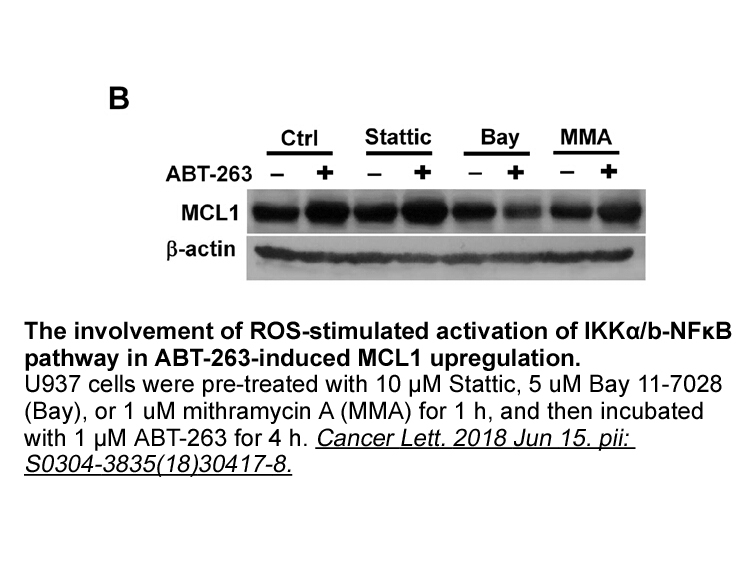
The possibility that a carboxyl group attached to the or position of an -arylaminomethylenemalonate ester would lead to increased selectivity for DHODH has been tested and found not to be the case. Indeed, reduced selectivity compared with the corresponding ester is observed and is attributed to a
-
In order to derive a better understanding of
2020-05-12
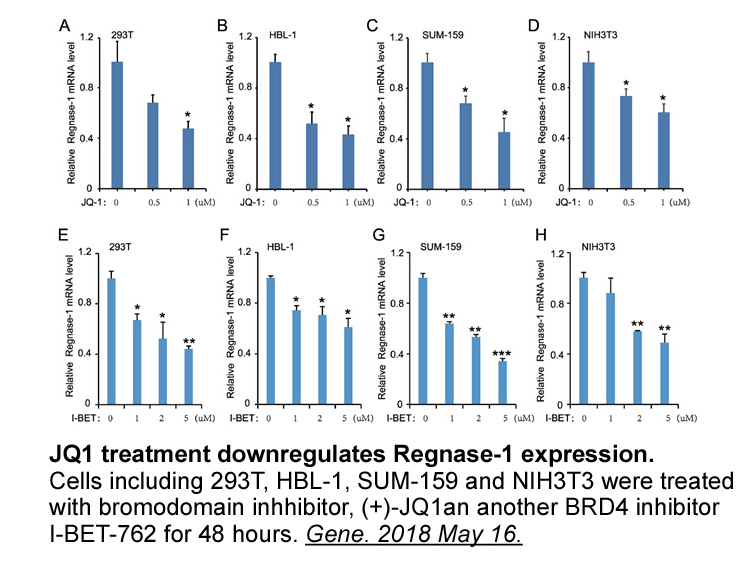
In order to derive a better understanding of the results from our SAR study, we utilized Glide to model the binding of the SAR compounds with the non-active site pocket of TS-DHFR shown in C. The majority of models position the phenolic moiety of these compounds within the non-active site pocket, wh
-
One possible explanation for differences in
2020-05-12
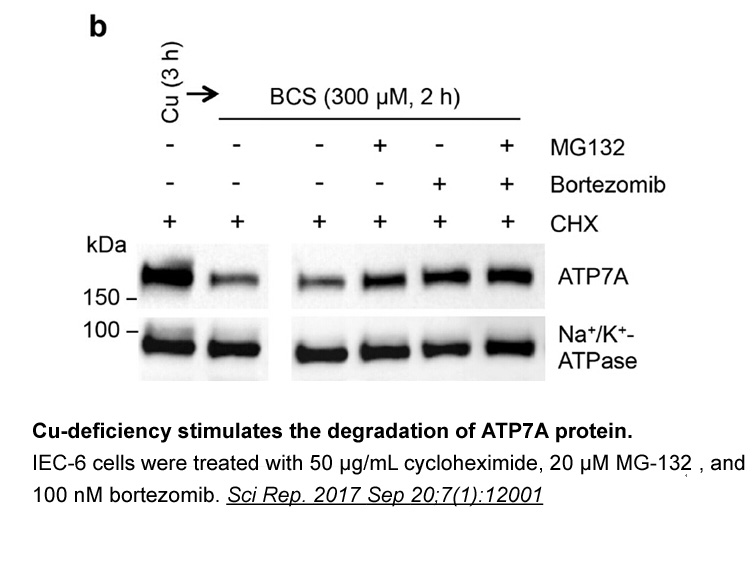
One possible explanation for differences in the binding ability of monomeric versus dimeric forms of DDR2 ECD to collagen could be that the monomeric form only binds to the primary GVMGFO site, whereas dimeric (and oligomeric) DDR2 ECD binds to additional sites on the collagen triple-helical molecul
-
Previous studies from our laboratory have demonstrated that
2020-05-12
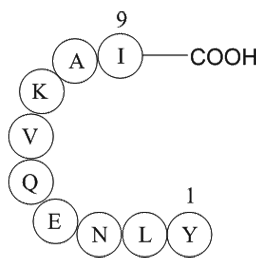
Previous studies from our laboratory have demonstrated that CysLT1R mRNA and protein expression can be upregulated by T2-type cytokines (IL-13, IL-4, and IL-5) in monocytes, macrophages, and eosinophilic HL-60 cells., To our knowledge, however, there are no studies on interactions of cytokines (suc
-
br Conclusions br Acknowledgement Grant support
2020-05-11
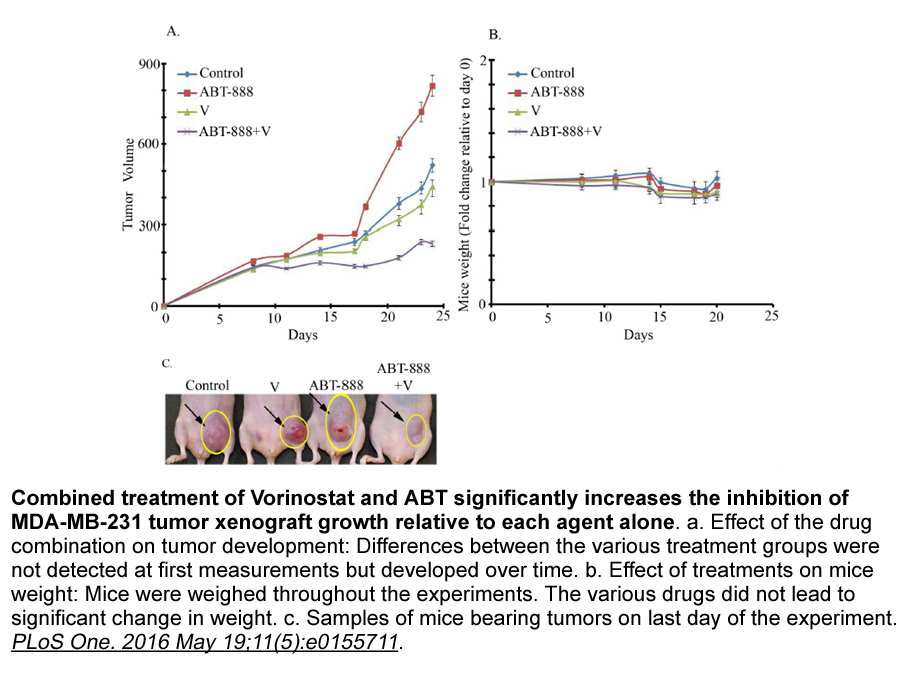
Conclusions Acknowledgement Grant support: Ministry of Health (n. of grant: RBAP10447J_004 to N. Baldini), Italian Association for Cancer Research (n. of grant: 11426 to N. Baldini). Introduction Ewing sarcomas (ES) and primitive neuroectodermal tumors (PNET) are related childhood tumors.
-
br O GlcNAcase Human OGA is a
2020-05-11
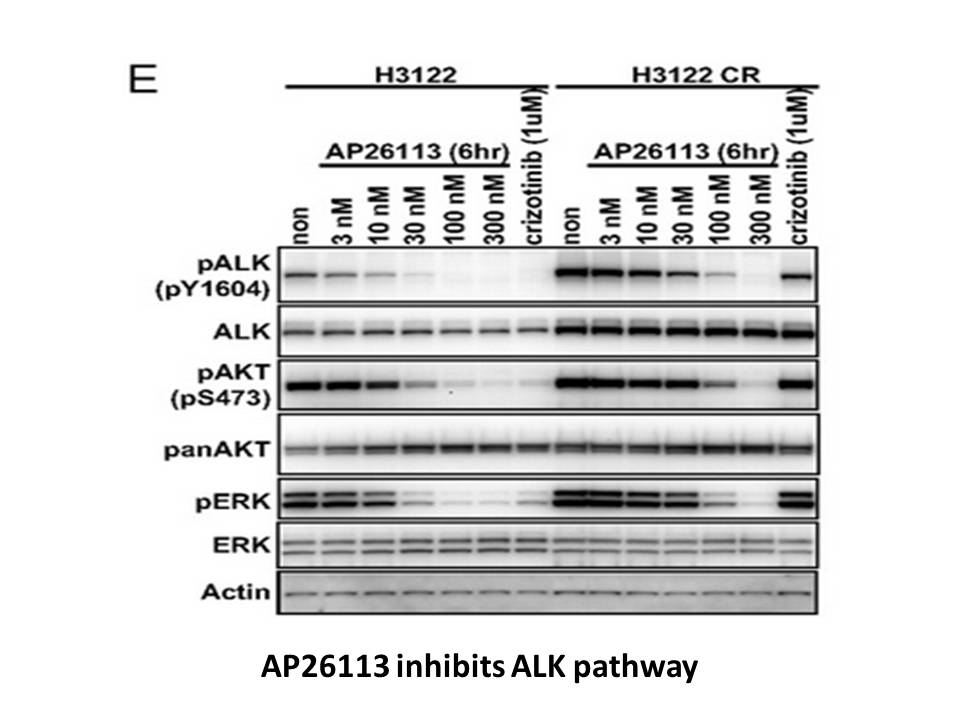
O-GlcNAcase Human OGA is a multidomain protein with an N-terminal domain similar to glycoside hydrolase family 84 (GH84) enzymes, a stalk domain, a C-terminal pseudo histone acetyltransferase (HAT) domain, and several low-complexity regions (Figure 1f) [43]. A splice variant that lacks the HAT do
-
We first confirmed LPS induction
2020-05-11
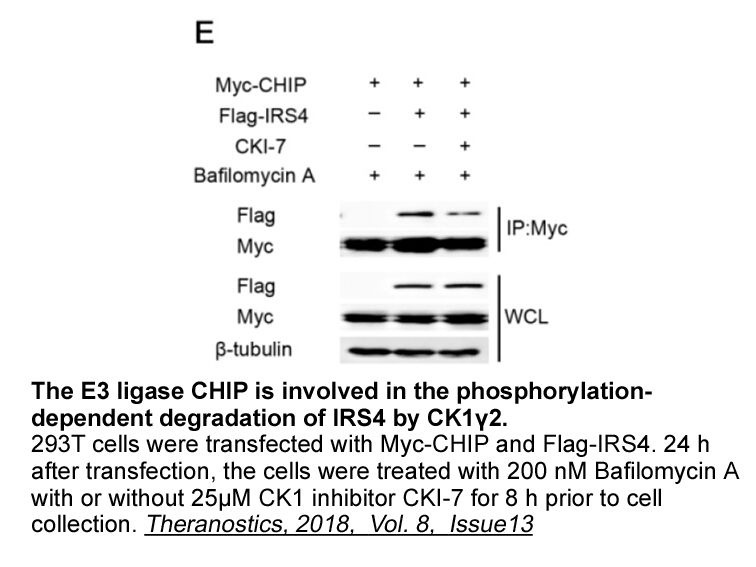
We first confirmed LPS-induction of markers known to induce NF-κB signaling in Caco2BB cells, as established for numerous other cell types [31]. We initially selected this approach to monitor NF-κB activation instead of directly monitoring p65 as it is technically straightforward and provides both u
-
Introduction Activation of epidermal growth factor receptor
2020-05-11
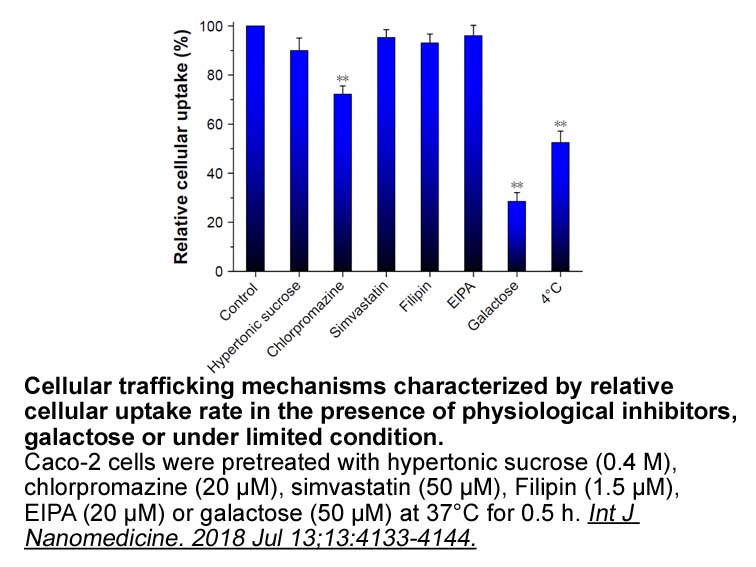
Introduction Activation of epidermal growth factor receptor (EGFR)-receptor tyrosine kinases (RTKs) is a key factor in the progression of non-small cell lung cancer (NSCLC). EGFR-RTKs cause proliferation, invasion, metastasis, and angiogenesis, as well as suppress apoptosis, in lung adenocarcinoma
-
br Deubiquitination deubiquitinases and cancer
2020-05-11

Deubiquitination, deubiquitinases and cancer Protein deubiquitination is reverse process of ubiquitination and performed by deubiquitinases or deubiquitinating enzymes (DUBs), which help in removal of ubiquitin from target proteins and involve in ubiquitin maturation, recycling and editing (Pfoh
-
In Arabidopsis the quartet qrt mutant enables the same
2020-05-11
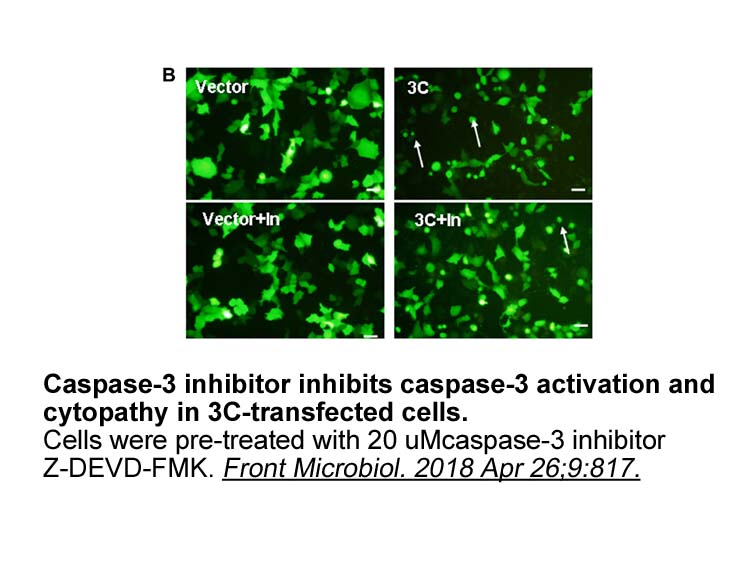
In Arabidopsis the quartet1 (qrt1) mutant enables the same type of analysis of gametophytes (pollen) in sets of four (tetrads) derived from individual meioses 61., 62.. Pollen tetrads from one accession (Columbia-0) are used to pollinate a second polymorphic accessions (Landsberg erecta) resulting i
-
Several research groups have disclosed potent
2020-05-11
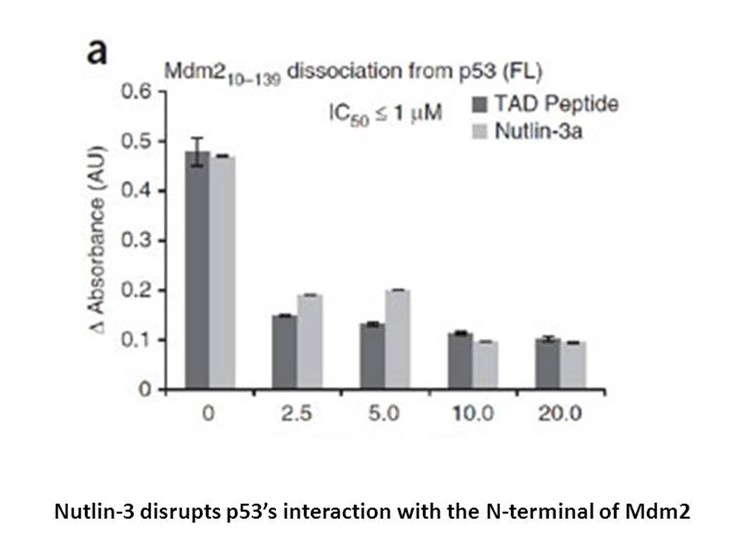
Several research groups have disclosed potent and selective DGAT-1 inhibitors from several chemically-distinct series. Pre-clinical studies with these compounds have confirmed that small molecule DGAT-1 inhibitors can elicit metabolic outcomes comparable to those observed in DGAT-1−/− mice.19, 20, 2
-
Introduction The term myeloproliferative disorders was first
2020-05-11
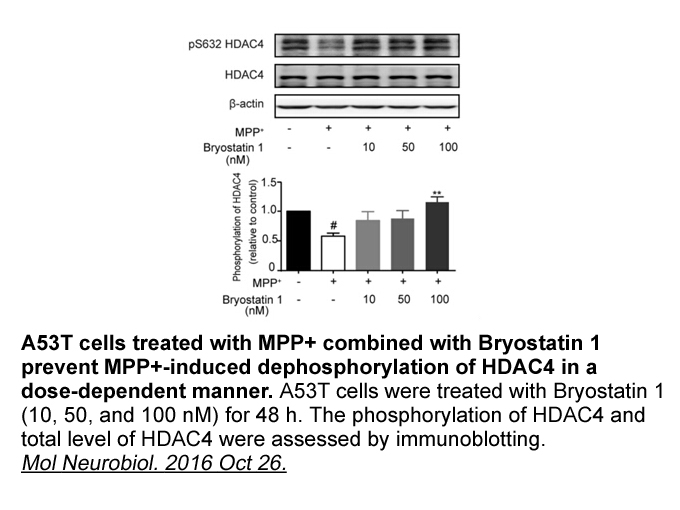
Introduction The term “myeloproliferative disorders” was first proposed by William Dameshek in 1951. With the discovery of the Philadelphia chromosome, myeloproliferative disorders were classified into two groups: BCR-ABL positive chronic myeloid leukemia (CML) and BCR-ABL negative chronic myelopro
-
Cell lines which possess microglial or neuronal
2020-05-11
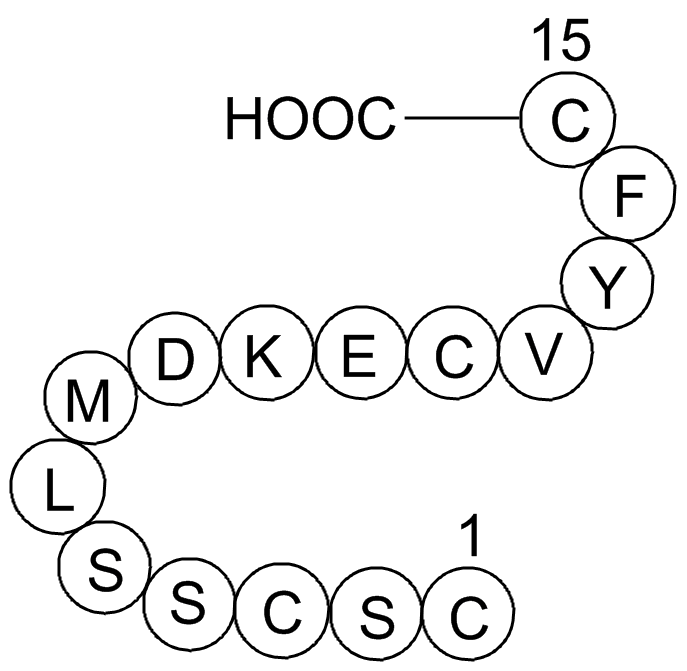
Cell lines which possess microglial or neuronal properties are uncomplicated and convenient in vitro models for studying dihydrofolate reductase injury at the cellular and molecular levels. Microglial BV-2 cells are derived from the immortalized mouse microglia and exhibit many of the morphological
-
These evidence prompted us to investigate the effectiveness
2020-05-11
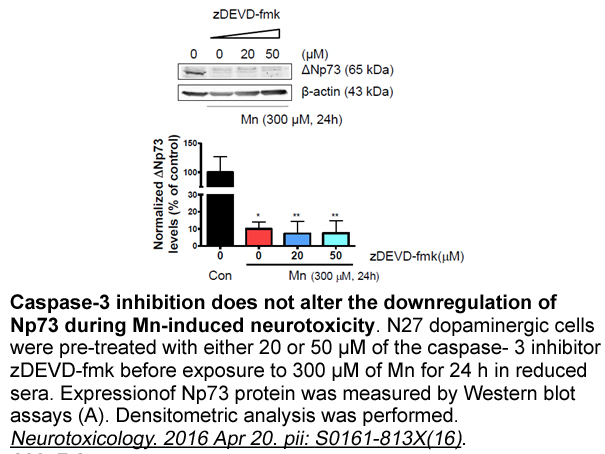
These evidence prompted us to investigate the effectiveness of CT-133, a newly discovered, well-tolerated, selective and potent CRTH2 antagonist, as a treatment of ALI. CT-133 has shown a potential response in treating chronic obstructive pulmonary disease (COPD), allergic rhinitis and EZLink Sulfo-
-
Bovine collagen type II a
2020-05-11

Bovine collagen type II, a fibrillar collagen mainly found in cartilage, comprises 24 potentially glycosylated lysine residues within its collagen domain. Detailed analysis revealed that 22 out of 23 of these lysine residues are hydroxylated and carry variable numbers of Gal(β1-O) and Glc(α1-2)Gal(β
16119 records 876/1075 page Previous Next First page 上5页 876877878879880 下5页 Last page