Archives
- 2026-10
- 2026-09
- 2026-08
- 2026-07
- 2026-06
- 2026-05
- 2026-04
- 2026-03
- 2026-02
- 2026-01
- 2025-12
- 2025-11
- 2025-10
- 2025-09
- 2025-04
- 2025-03
- 2025-02
- 2025-01
- 2024-12
- 2024-11
- 2024-10
- 2024-09
- 2024-08
- 2024-07
- 2024-06
- 2024-05
- 2024-04
- 2024-03
- 2024-02
- 2024-01
- 2023-12
- 2023-11
- 2023-10
- 2023-09
- 2023-08
- 2023-07
- 2023-06
- 2023-05
- 2023-04
- 2023-03
- 2023-02
- 2023-01
- 2022-12
- 2022-11
- 2022-10
- 2022-09
- 2022-08
- 2022-07
- 2022-06
- 2022-05
- 2022-04
- 2022-03
- 2022-02
- 2022-01
-
Growth inhibition assays are the most commonly used
2024-12-24
Growth-inhibition assays are the most commonly used to identify antifungal small molecules. However, they have several facts that limit their use since many pathogenic fungi grow as filaments making difficult a correlation between growth and OD (optical density). They are not useful for identifying
-
Overall we found maternal antibiotics to
2024-12-24
Overall, we found maternal CFTR activator to be associated with improved outcomes. In these multiple logistic regression models, high postnatal empiric infant antibiotic exposure was not significantly associated with risk for NEC or LOS. However, consistent with previous studies,5, 6 receipt of hig
-
br Acknowledgements This work was supported by Programme
2024-12-24
Acknowledgements This work was supported by Programme Grants from the MRC and the Wellcome Trust (SGC-C and MF). CB was in receipt of a Marie Curie Intra-European Fellowship during part of this work. We thank past and present members of our group for numerous valuable discussions throughout these
-
br Results br Discussion The actin cytoskeleton is a
2024-12-23
Results Discussion The acamprosate calcium and drinking alcohol cytoskeleton is a highly attractive target for many bacterial toxins, owing to its role in activation and locomotion of immune cells, secretion of humoral response factors, and maintenance of protective barriers at the cellular (
-
Although our data show that agrin
2024-12-23
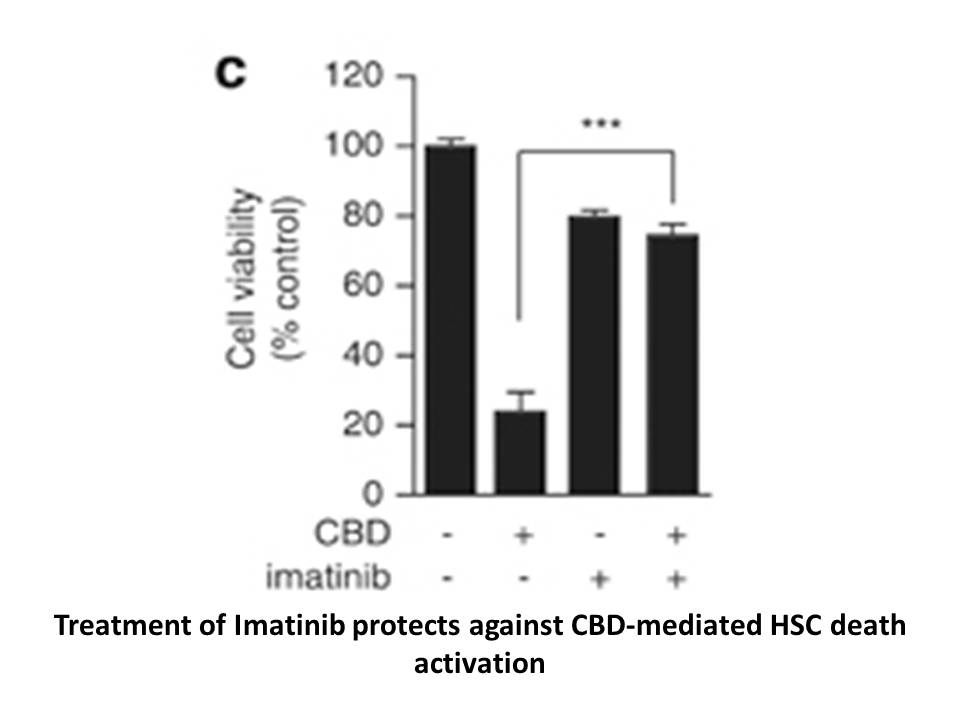
Although our data show that agrin accelerates the innervation of engineered muscle tissue following implantation, there are still several issues that need to be considered. First, the use of primary muscle stem or progenitor ALW-II-41-27 (satellite cells) instead of an immortalized muscle cell line
-
br Introduction Melatonin N acetyl methoxytryptamine is a ne
2024-12-23
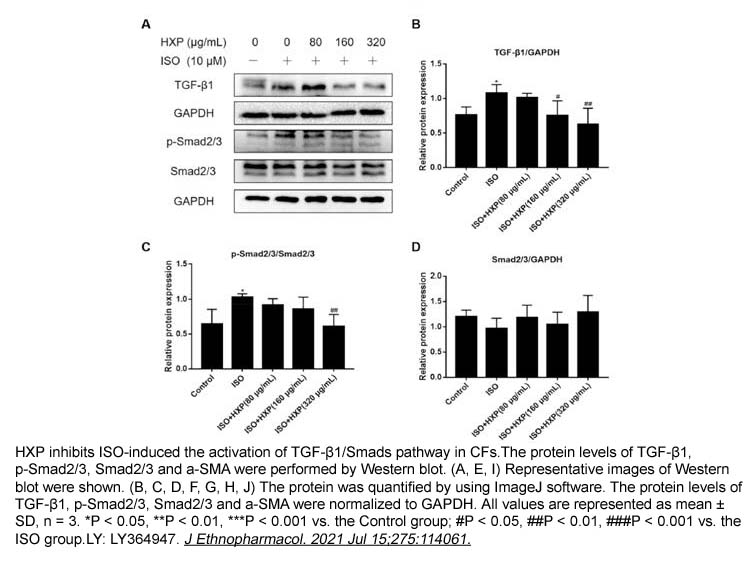
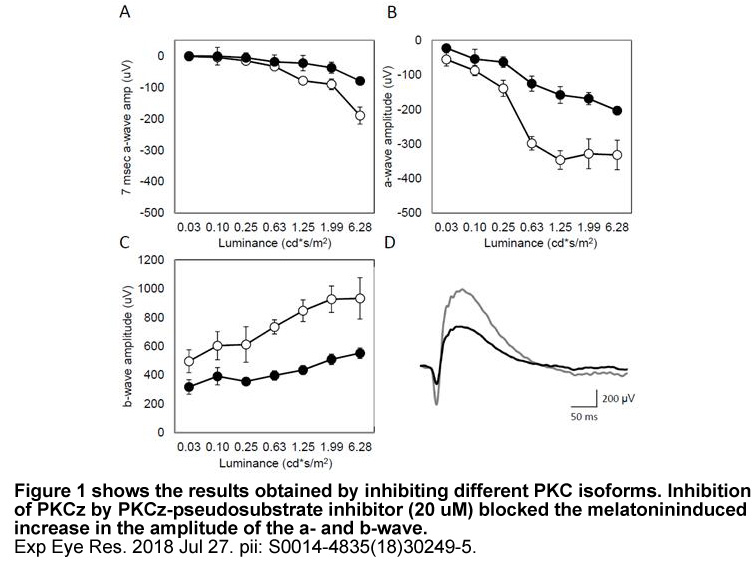
Introduction Melatonin (N-acetyl-5-methoxytryptamine) is a neurohormone which is mainly secreted from the pineal gland. Melatonin is a highly conserved molecule present not only in vertebrates but also in nonvertebrates such as bacteria, protists, fungi, macroalgae, and plants (Cecon et al., 2017
-
ARG I is one of the most
2024-12-23
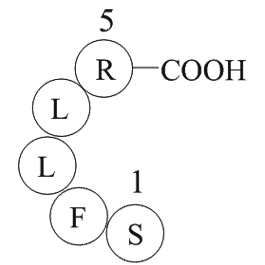
ARG I is one of the most important mammalian enzymes responsible for nitrogen metabolism since it comprises the main route for the elimination of excess nitrogen resulting from amino 5 03 and nucleotide metabolism [18]. ARG I deficiency leads to hyperargininemia, characterized by progressive neurolo
-
Autocrine regulations of several adipokines e g leptin and r
2024-12-23
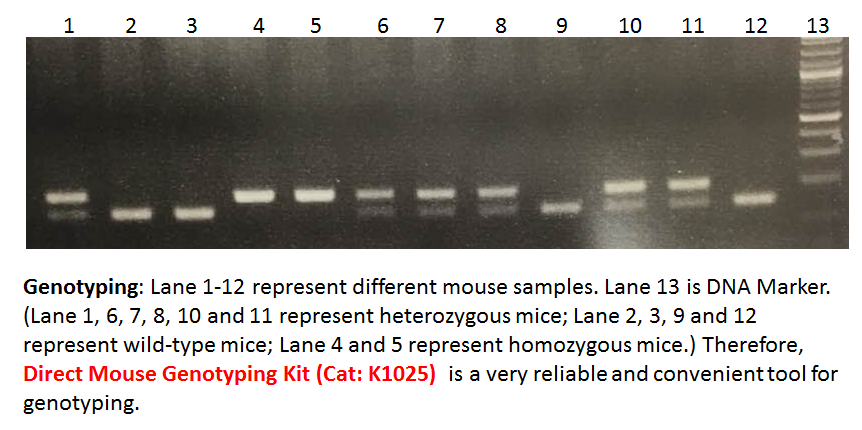
Autocrine regulations of several adipokines (e.g., leptin and resistin) on adipocytes have been reported (Karastergiou and Mohamed-Ali, 2010, Ye et al., 2010). Several lines of evidence have shown that apelin influences adipocyte functions, such as, lipolysis and glucose uptake (Dray et al., 2008, Y
-
br Results br Discussion br STAR Methods
2024-12-23
Results Discussion STAR★Methods Author Contributions Acknowledgments We thank Angela Walker for assistance with the manuscript; Junlin Liu, Xiangxiang Gu, Na Chen, Lu Xue, and the BV Core Facility of iHuman Institute for their support; scientists and colleagues at Amgen Inc., Zhulun W
-
It is now thought that tight binding of
2024-12-23
It is now thought that tight binding of HMGB to condensed chromatin may not be restricted to apoptotic cells. That HMGB proteins might actually be involved in the organization and/or maintenance of heterochromatic regions is suggested by the results of experiments analyzing the stable binding of the
-
br Conclusions In summary we report a novel preliminary
2024-12-23
Conclusions In summary, we report a novel preliminary finding of a potential racial difference in the association of Cd-content and AR expression in prostate cancer that will need to be confirmed in larger studies. Although the association of Cd and AR protein expression is not strong in tumor ti
-
The amino acids evaluated in
2024-12-21
The amino acids evaluated in this study represent proteinogenic (amino acids that are applied in the genetic code) or even essential ones (amino acids that cannot be synthesised by the organism and need to be taken up by nutrition). Tryptophan, phenylalanine, tyrosine, isoleucine, threonine and vali
-
The AhR molecule is composed
2024-12-21
The AhR molecule is composed of multiple functional domains [38]. In the N-terminal end, the AhR contains bHLH domain which is involved in DNA binding, dimerization with ARNT and association with chaperone proteins. The PAS domain, which is situated next to the bHLH domain consists of two structural
-
The excellent potencies selectivities and
2024-12-21
The excellent potencies, selectivities and improved PK associated with the piperazine class triggered more extensive off-target screenings of the highlighted compounds. A screen of more than 100 enzymes, receptors, and ion channels resulted in activity at the norepinephrine transporter (NET). This
-
Introduction Epinephrine is an endocrine hormone
2024-12-21

Introduction Epinephrine is an endocrine hormone mainly produced by adrenal medulla in response to stress (Tank and Lee Wong, 2015). This catecholamine exerts various major physiological effects, concerning notably the cardiovascular system, the respiratory system and the endocrine system, through
8449 records 73/564 page Previous Next First page 上5页 7172737475 下5页 Last page